


Sod’s law: what can two turf swaps 40 years apart tell us about Britain’s biodiversity crisis?
Attributed to The Guardian. ENC is not independently verifying these facts.
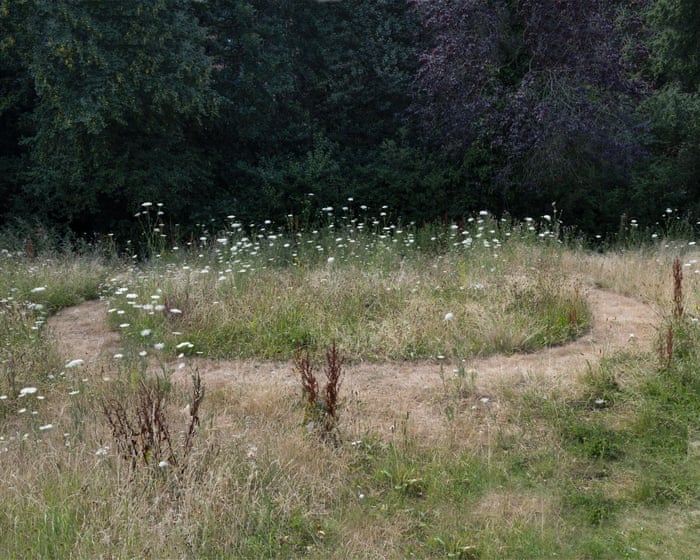
Still from the source feed, not produced by ENC.
https://www.theguardian.com/artanddesign/2026/oct/16/turf-swap-40-years-apart-britain-biodiversity-crisis
ENC Summary
Single-source
The Guardian is currently the only allowlisted source on the desk for this item.
Missing information
- No second independent outlet is on the desk for this item yet.
What to watch next
- Whether the original outlet issues a correction or update.
- Whether a second independent allowlisted outlet publishes on the same development.
- Whether later excerpts change the numbers or the framing.
Claim states describe the source record, not independently verified truth. Green and cyan never mean “confirmed.”
Supporting passage from source
In 1983, David Nash dug up a section of Kensington Gardens and swapped it with Welsh grassland. Four decades later, Mike Perry’s reverse swap revealed a striking reversal in the fortunes of urban and rural nature In 1983, an open-topped truck unloaded an unusual cargo in Kensington Gardens: 83 hunks of turf cut from Cae’n y Coed, a wooded hillside in the Ffestiniog valley. The ring of turf measuring eight metres in diameter that was removed from the park beside the Serpentine Gallery in west London to make space for the Welsh sods was then trucked from London to north Wales. So began Sod Swap, a piece of sculptural defiance by David Nash , which has had an unexpected and epic afterlife. More than 40 years later, photographic artist Mike Perry restaged the work as Reverse Sod Swap , exchan…
More on Wildlife
Same topic on this desk, not a claim that these outlets agree. Each keeps its own original link.
Reader discussion
Comments are public only after review. Keep personal thoughts private in your saved items.
Sign in to join the discussion