


Comebacks for wild tigers, tuna and sea turtles prove nature loss can be reversed, scientists say
Attributed to The Guardian. ENC is not independently verifying these facts.
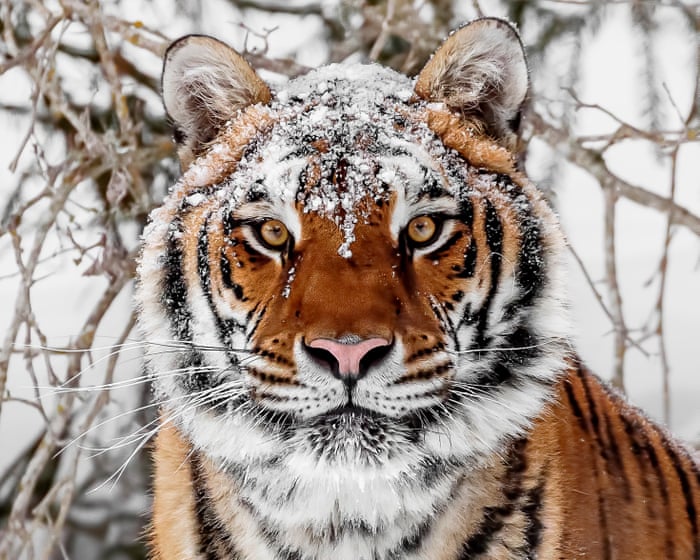
Still from the source feed, not produced by ENC.
https://www.theguardian.com/environment/2026/oct/08/world-must-change-food-avoid-biodiversity-collapse-wwf
ENC Summary
Single-source
The Guardian is currently the only allowlisted source on the desk for this item.
Missing information
- No second independent outlet is on the desk for this item yet.
What to watch next
- Whether the original outlet issues a correction or update.
- Whether a second independent allowlisted outlet publishes on the same development.
- Whether later excerpts change the numbers or the framing.
Claim states describe the source record, not independently verified truth. Green and cyan never mean “confirmed.”
Supporting passage from source
A landmark report reveals that the world must change the way it produces food to avoid a biodiversity collapse Conservation comebacks for wild tigers, tuna and green sea turtles prove that global nature loss can be reversed, scientists have said. But a report warns food production must be the next “positive tipping point” if the world is to avert biodiversity collapse. The World Wildlife Fund ( WWF ) analysed nearly 36,000 animal populations and more than 5,000 species, producing the largest ever database of vertebrate wildlife. Scientists found populations had declined by an average of 73% since 1970, showing that “nature continues to be degraded at an alarming scale”, with “no sign of losses slowing”. Continue reading...
More on Wildlife
Same topic on this desk, not a claim that these outlets agree. Each keeps its own original link.
Reader discussion
Comments are public only after review. Keep personal thoughts private in your saved items.
Sign in to join the discussion