

Europe’s Wadden Sea is a natural wonder. So why might it join the world heritage in danger list?
Attributed to The Guardian. ENC is not independently verifying these facts.
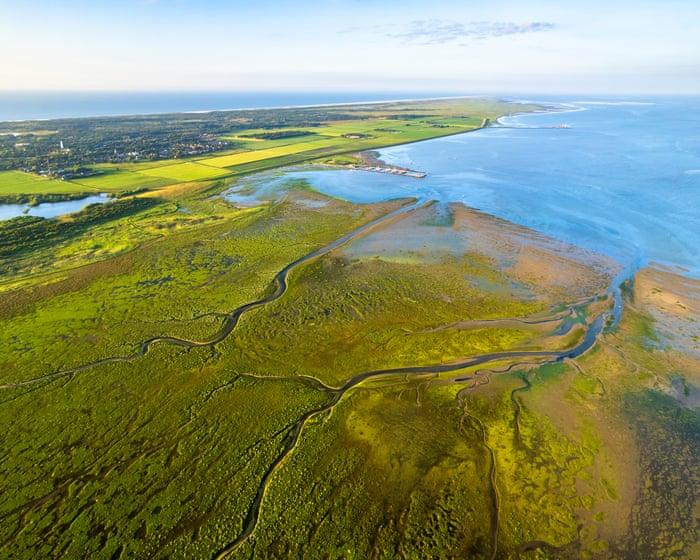
Still from the source feed, not produced by ENC.
https://www.theguardian.com/environment/2026/nov/16/europes-wadden-sea-is-a-natural-wonder-so-why-might-it-join-the-world-heritage-in-danger-list
ENC Summary
Single-source
The Guardian is currently the only allowlisted source on the desk for this item.
Missing information
- No second independent outlet is on the desk for this item yet.
What to watch next
- Whether the original outlet issues a correction or update.
- Whether a second independent allowlisted outlet publishes on the same development.
- Whether later excerpts change the numbers or the framing.
Claim states describe the source record, not independently verified truth. Green and cyan never mean “confirmed.”
Supporting passage from source
Along the coasts of the Netherlands, Germany and Denmark, its intertidal flats host a wealth of marine life and birds. But extraction industries, tourism and fishing are taking their toll Stand on the coastline at high tide and you look out over unbroken water, with sandy islands rising a few miles offshore. A few hours later and the view across the Wadden Sea has transformed into a maze of deep channels, drying sandbanks, salt marshes and mud flats. As the largest unbroken system of intertidal sand and mud flats in the world , this ever-changing habitat stretches hundreds of miles along the north European coasts of Germany, Denmark and the Netherlands and was awarded world heritage status by Unesco in 2009. Aerial view of the unique features of the Wadden Sea coast. Photograph: Janis Mey…
More on Wildlife
Same topic on this desk, not a claim that these outlets agree. Each keeps its own original link.
Reader discussion
Comments are public only after review. Keep personal thoughts private in your saved items.
Sign in to join the discussion