


From black soldier flies to mealworms: farming insects for food, fodder and fertiliser in Uganda
Attributed to The Guardian. ENC is not independently verifying these facts.
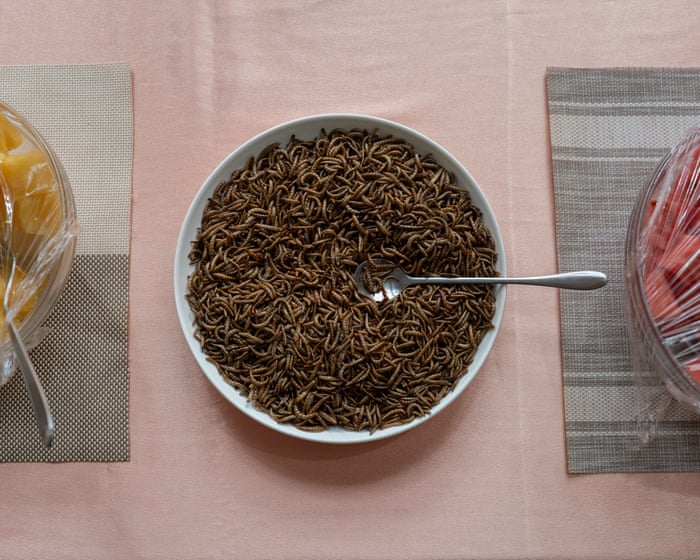
Still from the source feed, not produced by ENC.
https://www.theguardian.com/global-development/2026/oct/14/farming-insects-food-fodder-fertiliser-uganda
ENC Summary
Single-source
The Guardian is currently the only allowlisted source on the desk for this item.
Missing information
- No second independent outlet is on the desk for this item yet.
What to watch next
- Whether the original outlet issues a correction or update.
- Whether a second independent allowlisted outlet publishes on the same development.
- Whether later excerpts change the numbers or the framing.
Claim states describe the source record, not independently verified truth. Green and cyan never mean “confirmed.”
Supporting passage from source
Cultivating the nutritious bugs means families can raise livestock and enrich their own food, while lowering pressures on the land A few minutes’ walk from his home in the Kyaka II refugee settlement, Kanane Bikanyale feeds black soldier fly larvae to chickens in a coop above a fishpond. The larvae disappear in a scrum of chickens. Nearby, more larvae grow in modified jerrycans, while adult flies are kept in netted boxes. Bikanyale kept chickens before he fled to Uganda from the Democratic Republic of the Congo (DRC). But the cost of conventional feed and shortages of ingredients made them increasingly difficult to raise – a widespread pressure for millions of smallholder farmers whose margins are tight. Kanane Bikanyale tends to his black soldier fly larvae in a rearing unit in the Kyaka…
More on Conservation
Same topic on this desk, not a claim that these outlets agree. Each keeps its own original link.
Reader discussion
Comments are public only after review. Keep personal thoughts private in your saved items.
Sign in to join the discussion