


Country diary: The changing face of stubble fields, those shortcuts of my youth | Nicola Chester
Attributed to The Guardian. ENC is not independently verifying these facts.
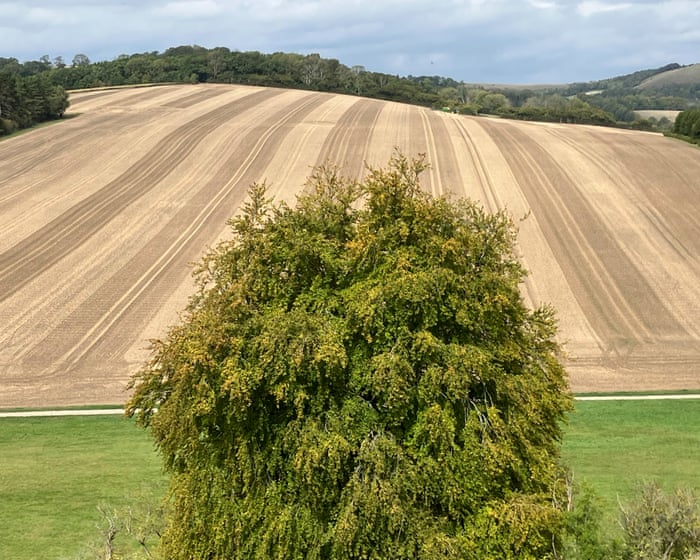
Still from the source feed, not produced by ENC.
https://www.theguardian.com/environment/2026/oct/08/country-diary-the-changing-face-of-stubble-fields-those-shortcuts-of-my-youth
ENC Summary
Single-source
The Guardian is currently the only allowlisted source on the desk for this item.
Missing information
- No second independent outlet is on the desk for this item yet.
What to watch next
- Whether the original outlet issues a correction or update.
- Whether a second independent allowlisted outlet publishes on the same development.
- Whether later excerpts change the numbers or the framing.
Claim states describe the source record, not independently verified truth. Green and cyan never mean “confirmed.”
Supporting passage from source
Linkenholt, Hampshire and Wexcombe, Wiltshire: Even to the untrained eye, traditional ones and modern, regenerative ones look very different Stubble fields, those post-harvest acres of short straws, seem to be lasting longer into the season, as farmers respond to changing practices. I have a wistful attachment to stubble fields: for so long a kind of temporary commons where, for a few redundant weeks before autumn or winter ploughing, you could shortcut across them, the dew-filled straws flicking water up the inside of your legs. But today, stubble fields aren’t all equal. Below Cleve Hill Down, a tractor is drilling winter wheat directly into bare seedbed between the stubble. Regularly sprayed with herbicide, it is free of weeds or any green – a pale-gold spread of machine-knitted tweed.…
More on Solutions
Same topic on this desk, not a claim that these outlets agree. Each keeps its own original link.
Reader discussion
Comments are public only after review. Keep personal thoughts private in your saved items.
Sign in to join the discussion