Mongabay is currently the only allowlisted source on the desk for this item.
What to watch next
Whether the original outlet issues a correction or update.
Whether a second independent allowlisted outlet publishes on the same development.
Whether later excerpts change the numbers or the framing.
Claim states describe the source record, not independently verified truth. Green and cyan never mean “confirmed.”
One story, multiple sources
Side-by-side. No blending into a single official conclusion. Each outlet keeps its own link.
Mongabay
2026-09-28 · attributed to source
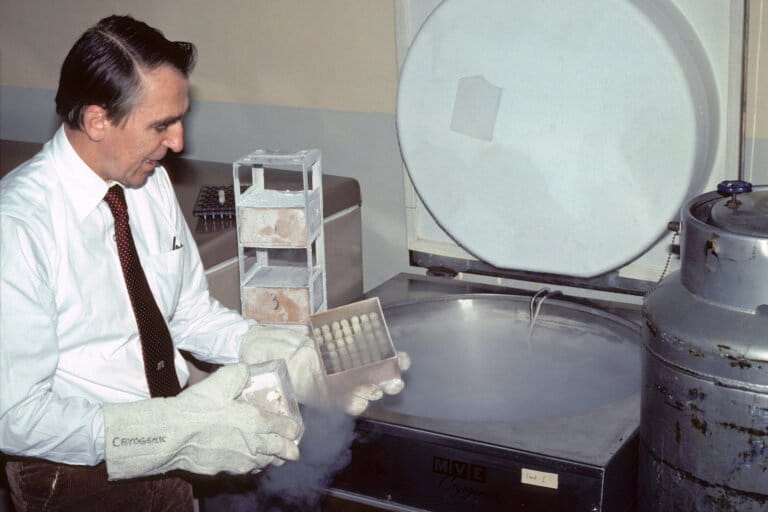
Preserving wildlife DNA for the future: Interview with the Frozen Zoo’s Katie Heineman
Kurt, a Przewalski’s horse, was born at San Diego Zoo in the U.S. in August 2020. Less than three years later, Ollie followed. Out in the wild, their species had gone extinct in the 1960s. Both individuals, born of a surrogate mother — a domestic horse — were the first Przewalski’s horses (Equus ferus przewalskii) […]
Preserving wildlife DNA for the future: Interview with the Frozen Zoo’s Katie Heineman
Kurt, a Przewalski’s horse, was born at in Texas in August 2020. Less than three years later, Ollie followed. Out in the wild, their species had gone extinct in the 1960s. Both individuals, born of a surrogate mother — a domestic horse — were the first Przewalski’s horses (Equus
ENC is comparing what Mongabay published over time. This is not an independent verdict.
Previous facts
Kurt, a Przewalski’s horse, was born at San Diego Zoo in the U.S. in August 2020. Less than three years later, Ollie followed. Out in the wild, their species had gone extinct in the 1960s. Both individuals, born of a surrogate mother — a domestic horse — were the first Przewalski’s horses (Equus ferus przewalskii) […]
Recent facts
Kurt, a Przewalski’s horse, was born at in Texas in August 2020. Less than three years later, Ollie followed. Out in the wild, their species had gone extinct in the 1960s. Both individuals, born of a surrogate mother — a domestic horse — were the first Przewalski’s horses (Equus ferus przewalskii) to be successfully cloned […]
Attributed conclusion
Mongabay updated the public record of this item. EcoBriefing is comparing source excerpts only — not deciding which version is true. Earlier they reported: “Kurt, a Przewalski’s horse, was born at San Diego Zoo in the U.S.” Later they reported: “Kurt, a Przewalski’s horse, was born at in Texas in August 2020.” Open the original links in the timeline. The claim still belongs to the outlet.
First on desk · 9/28/2026, 10:01:05 PM
Preserving wildlife DNA for the future: Interview with the Frozen Zoo’s Katie Heineman
Mongabay reports the following. EcoBriefing is republishing it as an attributed briefing, not as independently confirmed fact. If this item is false or incomplete, the responsibility sits with Mongabay, which released it.
Kurt, a Przewalski’s horse, was born at San Diego Zoo in the U.S. in August 2020. Less than three years later, Ollie followed. Out in the wild, their species had gone extinct in the 1960s. Both individuals, born of a surrogate mother — a domestic horse — were the first Przewalski’s horses (Equus ferus przewalskii) […]
Original link: https://news.mongabay.com/2026/09/preserving-wildlife-dna-for-the-future-interview-with-the-frozen-zoos-katie-heineman/
Supporting passage from source
Kurt, a Przewalski’s horse, was born at San Diego Zoo in the U.S. in August 2020. Less than three years later, Ollie followed. Out in the wild, their species had gone extinct in the 1960s. Both individuals, born of a surrogate mother — a domestic horse — were the first Przewalski’s horses (Equus ferus przewalskii) […]
More on Wildlife
Same topic on this desk, not a claim that these outlets agree. Each keeps its own original link.